Key Highlights
- Jharkhand Finance Minister Radhakrishna Kishore sought to take coal out of the GST regime and allow the state to levy 5% VAT.
- The state also raised the issue of Rs. 1.36 lakh crore in pending dues and sought a resolution.
- Jharkhand said the current destination based GST system does not give coal producing states adequate revenue.
- The minister claimed recent policy and legal changes could put an additional Rs. 22,000 crore financial burden on the state.
- Jharkhand proposed a Resource Origin and Ecological Equalisation Framework for mineral producing states.
- The state also sought greater transparency through state-wise and source destination ITC settlement data under GST.
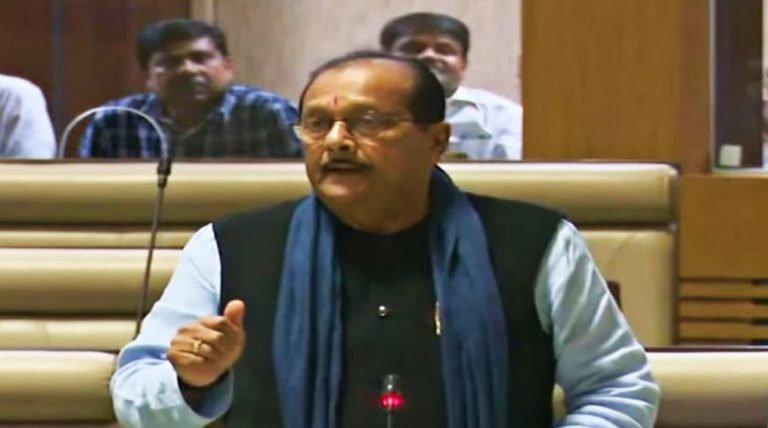
Ranchi: Jharkhand has sought the exclusion of coal from the GST regime and permission to levy 5% VAT on it, arguing that the current destination-based tax system does not provide coal producing states with adequate revenue. State Finance Minister Radhakrishna Kishore raised the demand at the GST Council meeting along with the issue of Rs. 1.36 lakh crore in pending dues and the need for additional financial support to mineral-producing states facing environmental and social costs of mining.
Also Read: Jharkhand Finance Minister Opposed MMDR Changes, Raised Questions Over State’s Taxing Powers
Kishore said Jharkhand accounts for around 23.27% of India’s total coal reserves, but the state continues to face displacement, environmental damage and other social and economic costs associated with mining. He proposed taking coal outside GST and allowing a 5% VAT, saying the move would also give producing states an opportunity to levy 2% CST on inter state sales. He also argued that the proposed tax arrangement could help reduce the cost of electricity generation.
22,000 Crore Additional Financial Burden Claimed
The finance minister said changes in central policies and laws could put an additional financial burden of around Rs. 22,000 crore on Jharkhand. According to the state’s assessment, GST rate rationalisation could account for Rs. 4,000 crore, changes in the funding pattern of VBG-RAM-G another Rs. 4,000 crore, and amendments to the MMDR Act around Rs. 14,000 crore in revenue loss. He also claimed that the end of GST compensation cess would cost the state about Rs. 2,500 crore annually.
Proposal for Mineral States’ Own Financial Framework
Jharkhand also proposed a Resource Origin and Ecological Equalisation Framework for mineral producing states. The proposed framework would take into account the quantity and value of minerals extracted, forest and land use, pollution, environmental restoration costs, displacement and compensation for affected tribal areas. The State also suggested including the requirements of a just transition after the closure of mines. Kishore sought the publication of state wise and source destination ITC settlement details to improve transparency in GST and said the costs and benefits of national development should be shared more fairly. Commerce Tax Department Secretary Amit Kumar also attended the meeting.
Also Read: Coal India Finalised 2026 Bonus at Rs. 1.10 Lakh After Nine Hours Talks