Key Highlights
- Jharkhand Finance Minister Radhakrishna Kishore has raised objections to changes made through the Mines and Minerals (Development and Regulation) Amendment Act, 2026.
- The amendment expands the central government’s regulatory scope to include “mineral bearing lands”.
- New Section 9D restricts state governments from imposing taxes, cess or other levies on mineral rights and mineral-bearing lands except under conditions prescribed by the Centre.
- Kishore said the changes could affect the revenue and financial autonomy of mineral rich states such as Jharkhand.
- The minister has also questioned the Centre’s approach and said states should have been consulted before the changes were made.
- He has called on Jharkhand BJP leaders to raise the issue if they believe the amendment could affect the state’s financial interests.
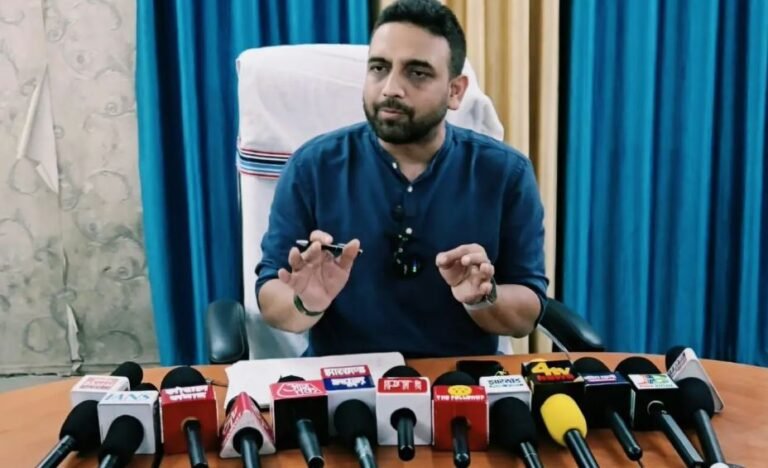
Ranchi: Jharkhand Finance Minister Radhakrishna Kishore has raised concerns over the Mines and Minerals (Development and Regulation) Amendment Act, 2026, saying the changes could affect the revenue powers of mineral-rich states. His objections centre on the amendment’s provisions relating to mineral bearing lands and state levies, which he says could have financial implications for Jharkhand and raise wider questions about the federal distribution of powers. The amendment received presidential assent on 17th August 2026
Also Read: Today’s Headlines – Business Jharkhand
The 2026 amendment changes Section 2 of the MMDR Act by adding “mineral bearing lands” to the area subject to central regulation and introduces a definition of mineral bearing land. More significantly for states, the new Section 9D says State Governments cannot impose a tax, cess or other levy on mineral rights or mineral-bearing lands based on mineral quantity, mineral value, royalty or otherwise, except according to conditions or restrictions prescribed by the Centre. The law also provides that certain unpaid or unrecovered levies from before its commencement will be treated as invalid.
Why Jharkhand Is Raising the Revenue Question
Kishore has argued that these provisions could limit the scope available to States to raise revenue from mineral resources and mineral bearing land. His concern also touches on the constitutional division of powers: land is a State List subject, while states have taxation powers relating to land and mineral rights within the constitutional framework.
Also Read: 437 Acres Land in Jharkhand’s Kukdu Identified for New Industrial Park
The Centre has presented the amendment differently, arguing that it is intended to create a more uniform fiscal framework for mining and address multiple and unpredictable taxes and levies that can increase the cost of mineral extraction. The Jharkhand minister, however, has questioned the impact on States such as Jharkhand, where mining is a major part of the economy. He has also criticised the absence of wider consultation with States and urged state BJP leaders to raise the issue.
Also Read: Trainee IAS Officer Ritvik Mehta Taken Charge as Chhatarpur SDO